

The Diagnosis We Keep Missing

Kidney disease is often silent until late. In a region shaped by diabetes, hypertension and uneven access to testing, a missed diagnosis can become a lifetime of dialysis. Early detection changes the route.
The patient did not arrive late. The diagnosis did.
A patient arrives at a clinic exhausted in a way that has lasted for months, with swelling they blamed on the heat and fatigue they simply worked through. Blood and urine tests tell a story that has been unfolding silently for years: kidney function is now severely reduced. The conversation is no longer about prevention. It is about dialysis – where, how often, who pays and whether treatment is within reach. The patient did not arrive late. The diagnosis did.
This is the shape of chronic kidney disease across much of the Caribbean: a condition often found near the end of its course, when the remaining choices are the most expensive, the most demanding and the least evenly available. The missed diagnosis follows the same fault lines of access, resources and timing that run through this issue. The difference is that this story can begin with simple testing in primary care and end, when testing never happens, with a lifetime of high-intensity treatment.
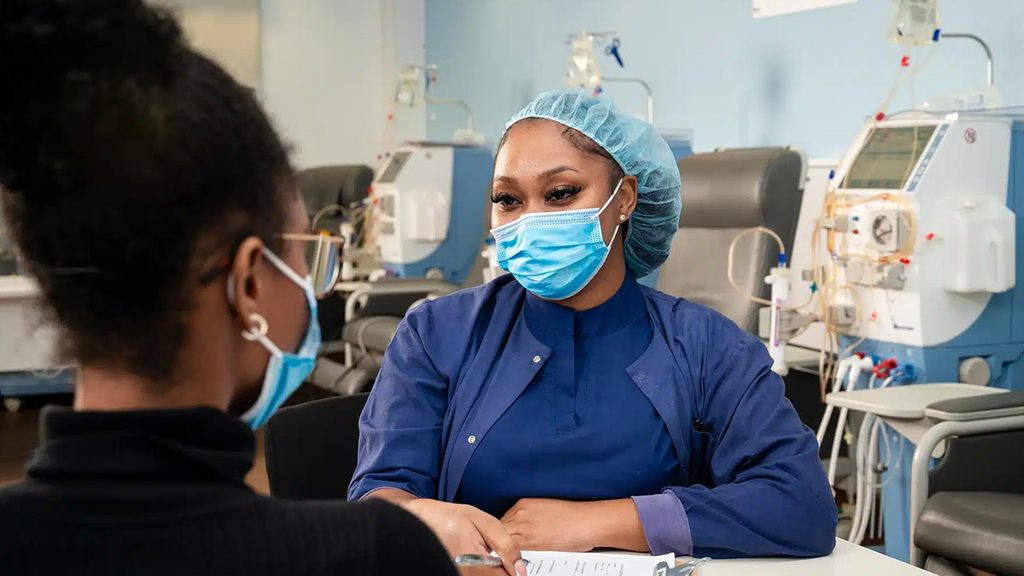
Chronic kidney disease is frequently asymptomatic until it is advanced. The World Health Organization notes that simple blood testing for serum creatinine and urine testing for albuminuria can detect it, and that regular testing is especially important for people at risk. By the time fatigue, breathlessness, itching, leg swelling or nausea become unmistakable, the disease may already have narrowed the options.
Silence is the disease’s defining danger. CKD hides during the window when intervention can do the most good and reveals itself when the trajectory is hardest to change. That is why early detection cannot depend on symptoms. It requires deliberate case-finding among people whose risk is already known.
Silence is the disease’s defining danger.
Diabetes, hypertension, cardiovascular disease and population aging all increase the burden of chronic kidney disease. These conditions are common across the Caribbean. When risk is widespread but kidney testing is inconsistent, late diagnosis is not an accident; it is a predictable system outcome.
The structural logic is clear: common risk factors plus a silent disease plus uneven routine testing produce patients who first enter nephrology care near kidney failure. By then, the least expensive opportunities have passed and the most resource-intensive ones remain.

Advanced kidney disease may require dialysis or transplantation to sustain life. Dialysis is not a single intervention but a recurring demand on specialized facilities, trained staff, water systems, supplies, reliable transport and the patient’s time. For people living far from a dialysis unit, treatment can become a permanent movement problem several times every week.
A diagnosis missed early therefore becomes a long-term load on an access system already under strain. The patient who could have been monitored and treated close to home becomes a patient who must be moved, funded and accommodated indefinitely. Late is its own kind of distance.
A diagnosis missed early therefore becomes a long-term load on an access system already under strain.
Early identification changes what is possible. Current global guidance emphasizes integrating kidney health into primary care, using estimated glomerular filtration rate and urine albumin testing for people with diabetes, hypertension and cardiovascular disease. When CKD is identified early, clinical management can focus on slowing progression, reducing cardiovascular risk and preventing complications.
3,000+
SILS reports providing preventive kidney tests across the region.
free tests
The tools are ordinary by design: a blood pressure measurement, assessment of blood glucose, a blood test for kidney function and a urine test for albumin. These can be delivered close to where patients already receive care. That contrast is the economic and human case for screening: a low-complexity test can open years of lower-intensity management before kidney replacement therapy becomes necessary.
SILS reports that its preventive kidney-testing program has provided more than 3,000 free tests across the region. The organization says the program is delivered through its preventive-care work and sister organization, the Forlam Foundation, alongside dialysis services in Barbados. SILS also reports three dialysis clinics in Barbados, approximately 20,000 dialysis sessions a year and public-private collaboration with the Ministry of Health through the Queen Elizabeth Hospital.
Those figures matter because they move the story from aspiration to reach. Every test is an opportunity to identify a person who had risk but no symptoms, connect them to follow-up and begin management before crisis. Screening is not valuable because it produces a result; it is valuable because the result triggers a pathway. The next measure of program maturity is therefore not only how many people are tested, but how many receive confirmatory assessment, risk management and sustained follow-up.
The journey from an undetected disease to a lifetime of dialysis is long, expensive and punishing, and it can begin with a test that was never done.
SILS’s public materials describe a broader model that combines dialysis, primary care, community testing and travel support for people who need treatment away from home. That combination reflects the central argument of this issue: treatment capacity is necessary, but prevention and continuity determine how many people reach that capacity too late.
Every other story in this issue is about moving patients across physical distance – between islands, across borders and through the friction of cost, weather and coordination. The kidney story is about a distance that can often be shortened before movement becomes necessary. The journey from an undetected disease to a lifetime of dialysis is long, expensive and punishing, and it can begin with a test that was never done.
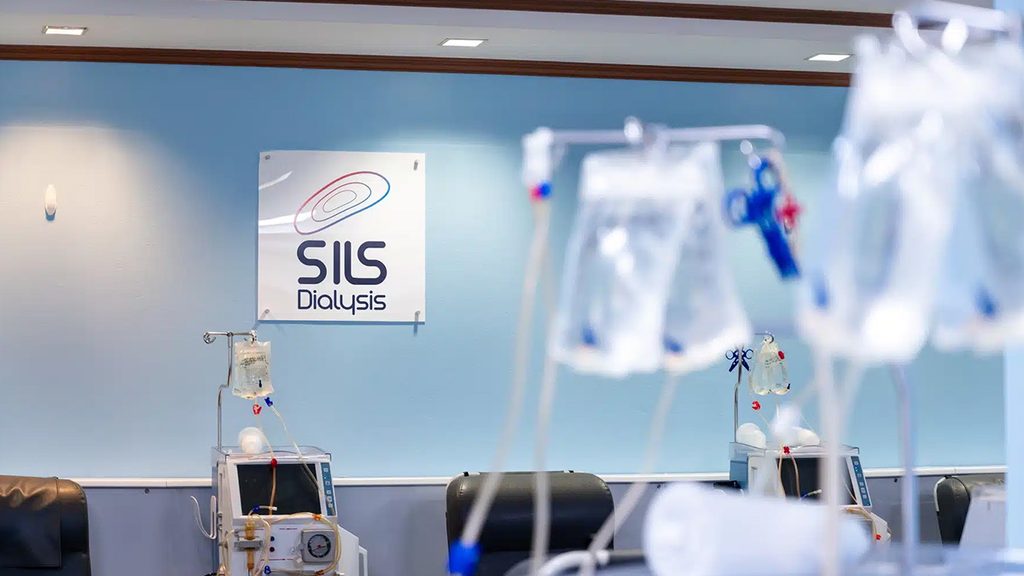
That makes late kidney diagnosis one of the most preventable distances in the issue. It is not geography. It is a disease that hides when it can best be found, in a population whose risks are already visible. The diagnosis we keep missing is also one we are increasingly able to detect. The operational question is whether testing, follow-up and treatment will be organized as one continuous pathway – before the disease forces the system to act.
RESEARCH LENS
Scheduled care has a geography too
A national Israeli GIS study linked the residences of 5,961 hemodialysis patients with 76 centers and found significant district differences in travel distance and utilization. For Caribbean planners, dialysis mapping should combine patient origin, session frequency, island-to-island transport, spare capacity and the fragility created when one center carries most of a territory’s treatment. A center can be geographically close and operationally full; both conditions belong in the access map.
Sources: Schroeder et al. (2025).
Share:

