

Houston / Texas Medical Center: The Apex Referral Node

Houston is not the nearest route for most Caribbean patients. It is the route chosen when the case demands depth: advanced oncology, complex pediatrics and subspecialty teams concentrated in one medical district.
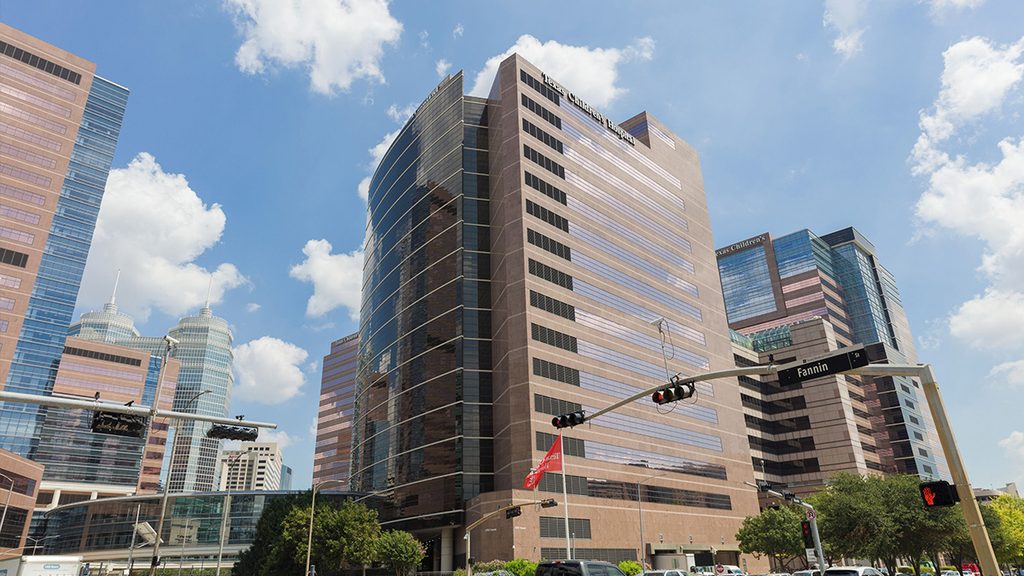
Houston is not the nearest destination for most Caribbean patients. It is an apex node: a route used when the case requires depth that a gateway or regional hub may not hold. Its importance comes from the concentration of highly specialized institutions within and around the Texas Medical Center, which describes itself as the world’s largest medical complex.
The value of the Texas Medical Center is not one hospital. It is the density of clinical care, research, pediatrics, oncology, transplantation and subspecialty medicine within a single medical district. That density matters for rare and complex cases because several disciplines can evaluate the patient without the referral journey restarting in another city.
Apex care begins with information quality long before the patient boards an aircraft.
UT MD Anderson Cancer Center operates an International Center that supports patients with preparation, interpretation, travel and navigation. Its referral pathways require detailed medical records and, for many cancer cases, pathology material and diagnostic images before the first appointment. That requirement illustrates a broader lesson: apex care begins with information quality long before the patient boards an aircraft.
Texas Children’s International and Destination Medicine program reports caring for patients from more than 70 countries and provides a central contact point for families, foreign clinicians, payers and other organizations. For pediatric and maternal cases, that coordination function can be as important as the clinical capability because the journey involves guardians, accommodation, interpretation and long follow-up.

Apex capability carries apex friction. Houston is farther from much of the Caribbean than Miami, usually costs more to reach, and remains subject to U.S. entry and financial requirements. The patient may also need to remain away from home for longer. For public systems and insurers, a referral should therefore be tied to a clear clinical reason why the case requires this depth rather than a closer node.
Apex capability widens what is possible without automatically widening what is equitable.
The equity tension is unavoidable. Houston widens what is medically possible for the region, but it does not automatically widen who can reach that possibility. The strongest response is not to deny the value of apex centers. It is to build transparent criteria, pre-arranged pathways, high-quality record transfer and financing mechanisms that make rare referrals depend on clinical need rather than personal wealth alone.
Houston’s role is therefore precise: it is not the default gateway. It is the apex referral node – used deliberately for cases whose complexity justifies the distance, cost and coordination burden.
RESEARCH LENS
An apex node should extend capability, not only receive patients
A 200-country cancer-workforce simulation projected that scaling diagnostic and imaging personnel would yield the largest mortality benefit among workforce cadres. A developing oncology ecosystem across Hawai’i and the U.S.-Affiliated Pacific Islands combines workforce development, telehealth, community screening and research infrastructure rather than relying on patient export alone. Caribbean apex-center agreements should therefore include virtual multidisciplinary review, diagnostics, training, trials and return-care protocols – not only an appointment at the destination.
Sources: Ward et al. (2026); Lim et al. (2026).
Share:

